
Zones of Regulation
At SJP, we want to promote positive mental health and emotional wellbeing to our pupils, staff & families.
The ‘Zones of Regulation’ is a curriculum designed to foster self-regulation and emotional control.
Self-regulation is defined as the best state of alertness of both the body and emotions for the specific situation.
For example, when your child plays in a basketball game, it is beneficial to have a higher state of alertness. However, that same state would not be appropriate in the library.
When we find it hard to manage strong feelings such as worry, anger, restlessness, fear or tiredness, it stops us from getting on with our day effectively.
Children who feel these emotions often find it hard to learn and concentrate in school.
When children fully understand what they’re feeling, they can make sense of, and regulate their emotions much better.
Zones of Regulation aims to:
- Teach our pupils how to better understand their own feelings and emotions.
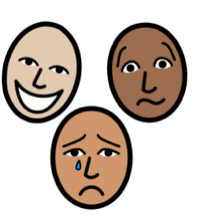
- Recognise when they are in the different Zones and learn how to change or stay in the Zone they are in.
- Increase their emotional vocabulary so they can explain how they are feeling.
- Recognise when other people are in different Zones, thus developing better empathy.
- Understand that sensory experiences such as lack of sleep or hunger and their environment might influence which Zone they are in. Some young people (and even adults) struggle with interoception. This is the ability to recognise your internal bodily state, e.g. recognise when you are hungry, thirsty, too hot or tired etc.
- Give them strategies to help them cope with these feelings so they can get back to feeling calm and ready to learn. These coping strategies are called ‘self-regulation’.
- Develop problem-solving skills and resilience
- Help pupils to recognise their own triggers, learn to read facial expressions, develop problem-solving skills, and become more attuned to how their actions affect other people.
- To ultimately de-escalate situations.
What are the Zones of Regulation?
The Zones of Regulation is a curriculum based around the use of four colours to help children self-identify how they’re feeling and categorise it based on colour. The curriculum also helps children better understand their emotions, sensory needs and thinking patterns.
The children learn different strategies to cope and manage their emotions based on which colour zone they’re in.
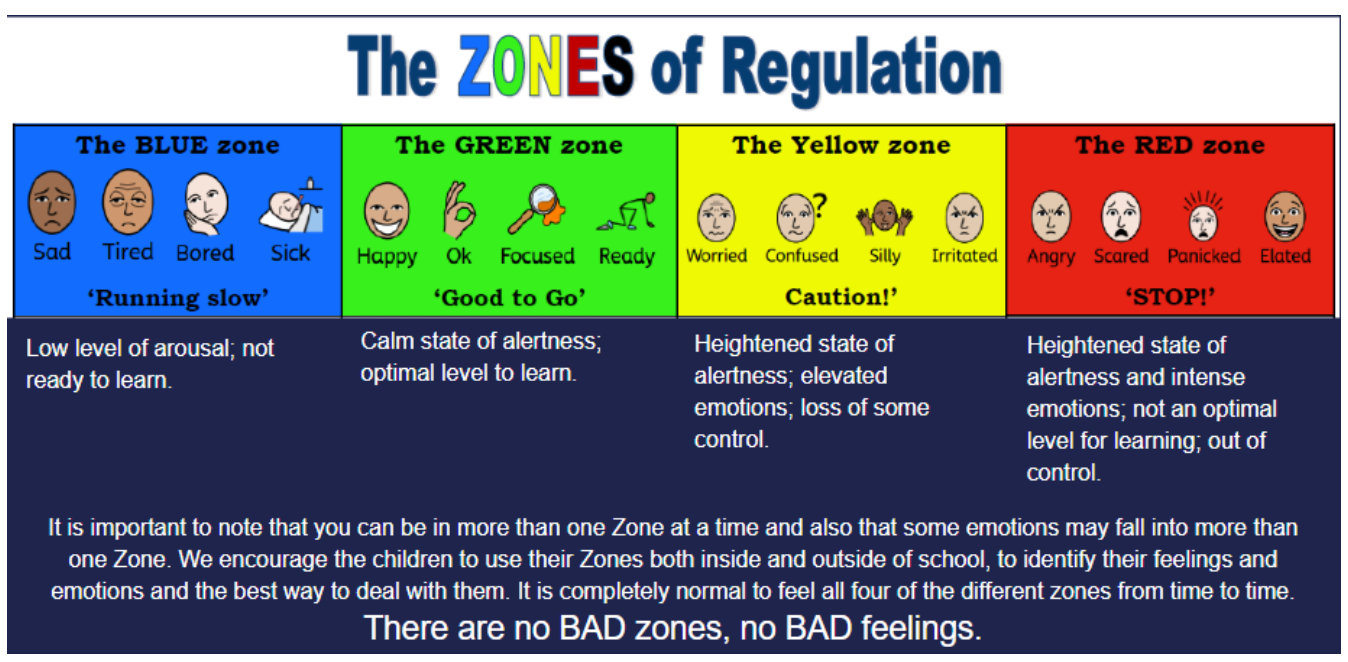
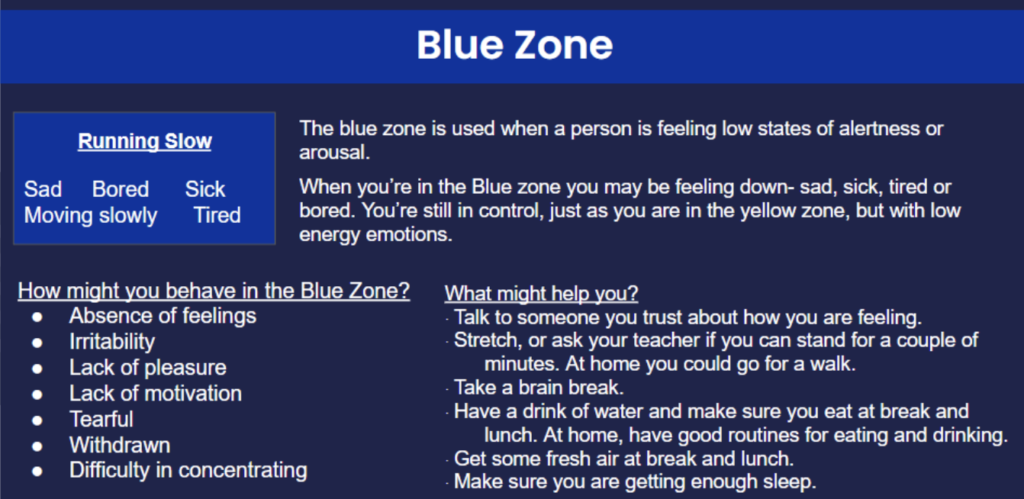
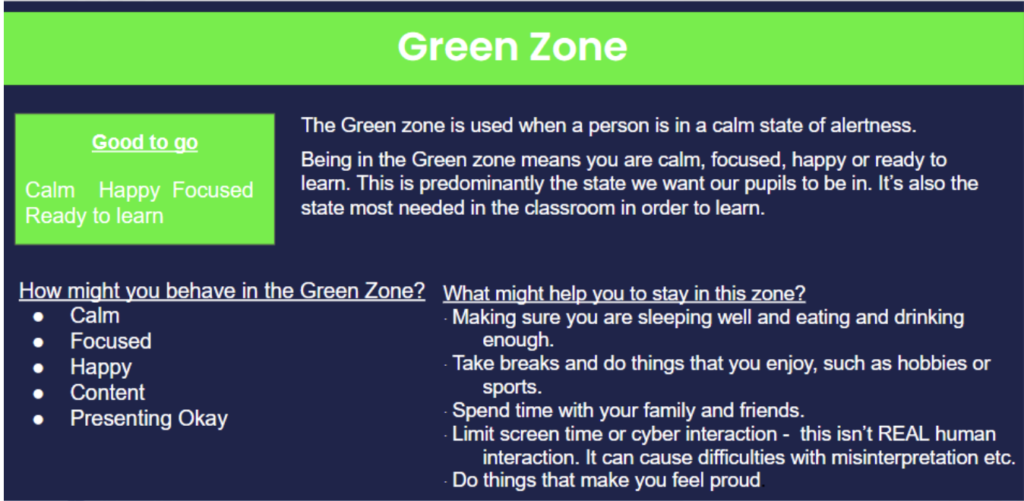
More about the zones, and strategies to support.
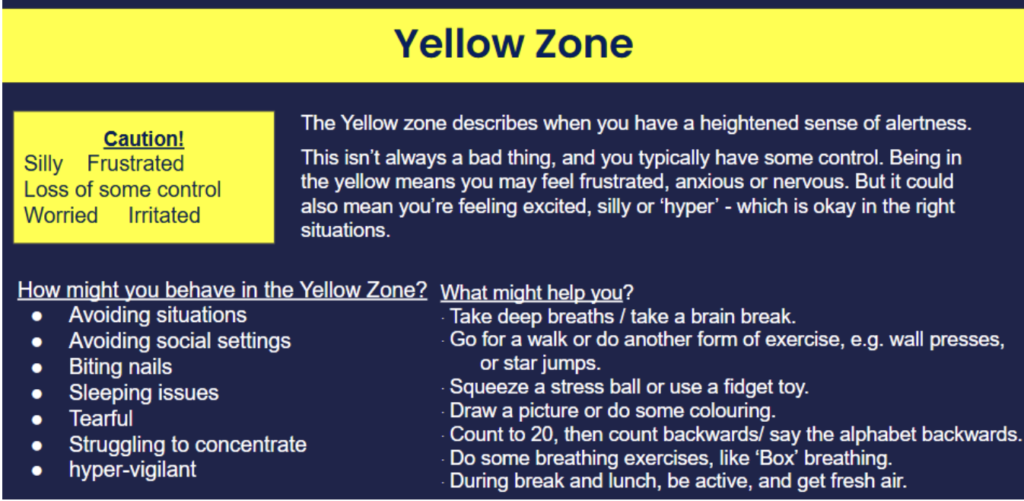
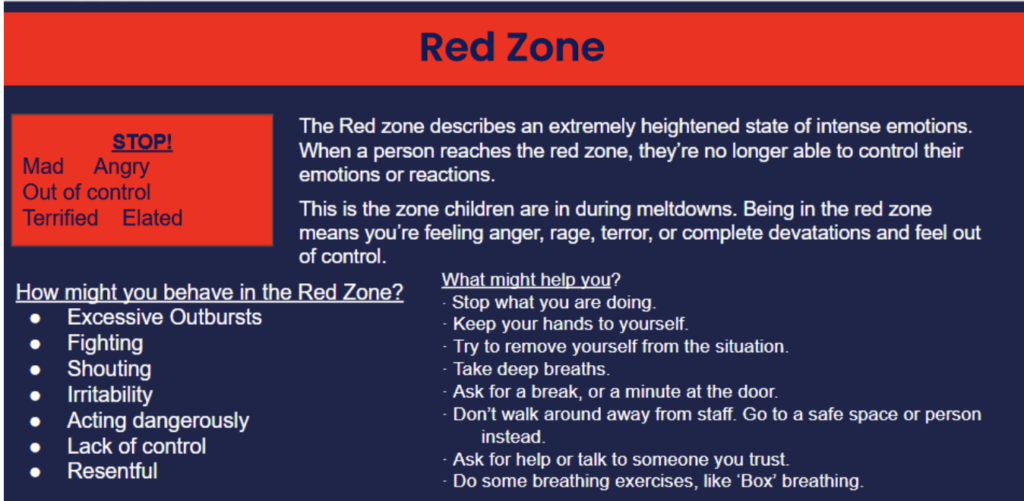
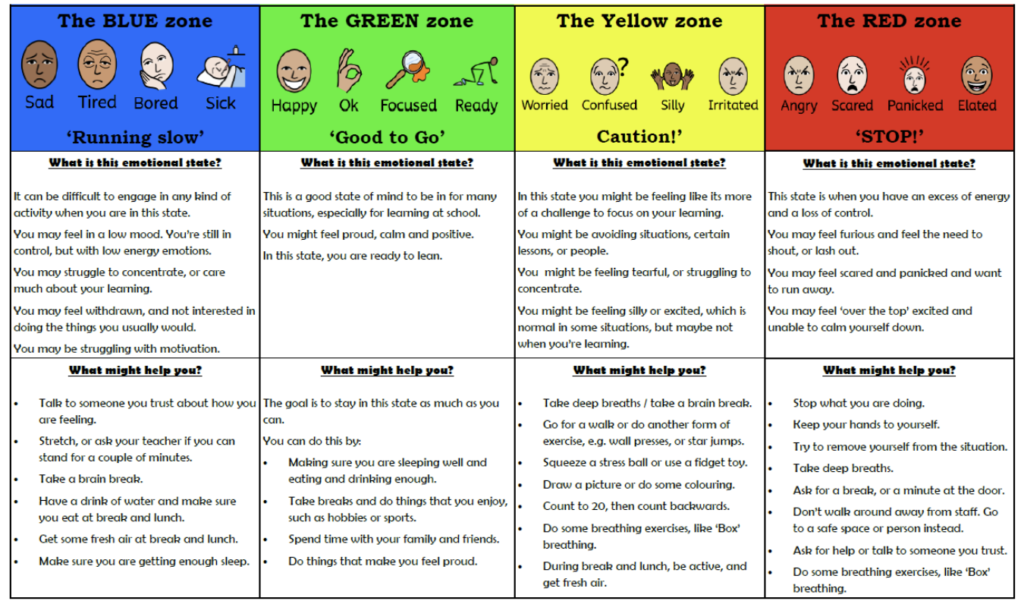
Sometimes, our emotional brain can take over, and stop our thinking brain from working as it should!
This is okay in some situations. If you are about to be hit by a car, you don’t want to stand there and calculate distance over time…. you just quickly move out of the way!!
But typically, we are at our best when our thinking brain, and emotional brain, are working together….especially when trying to learn.
Regulation Strategies
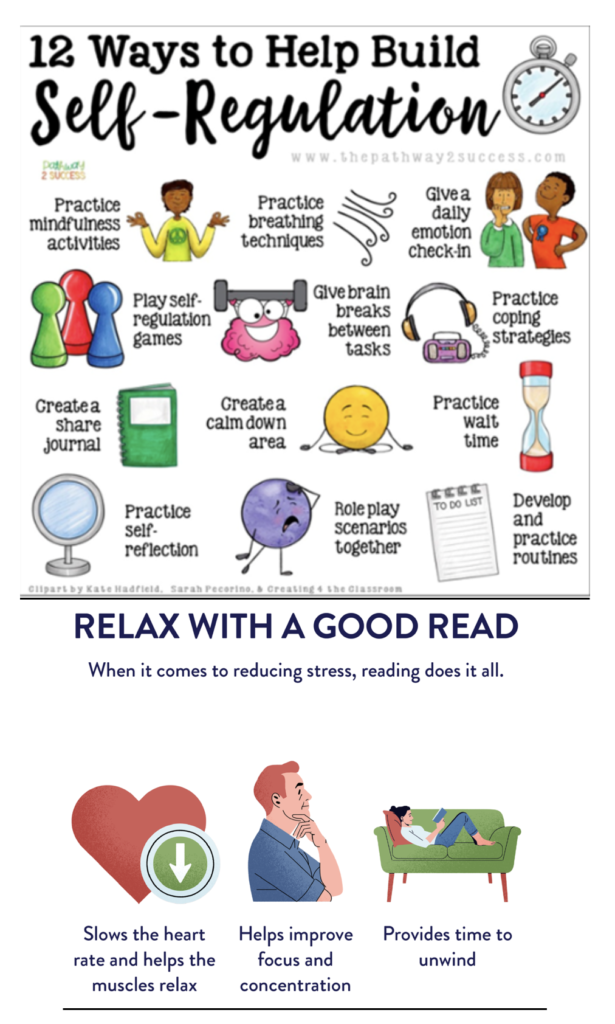
Breathing exercises
Breathing exercises can help us to plug our thinking brain back in. It tells our emotional brain we are safe, and our emotional brain and thinking brain can work together again. Some examples of breathing exercises are below.
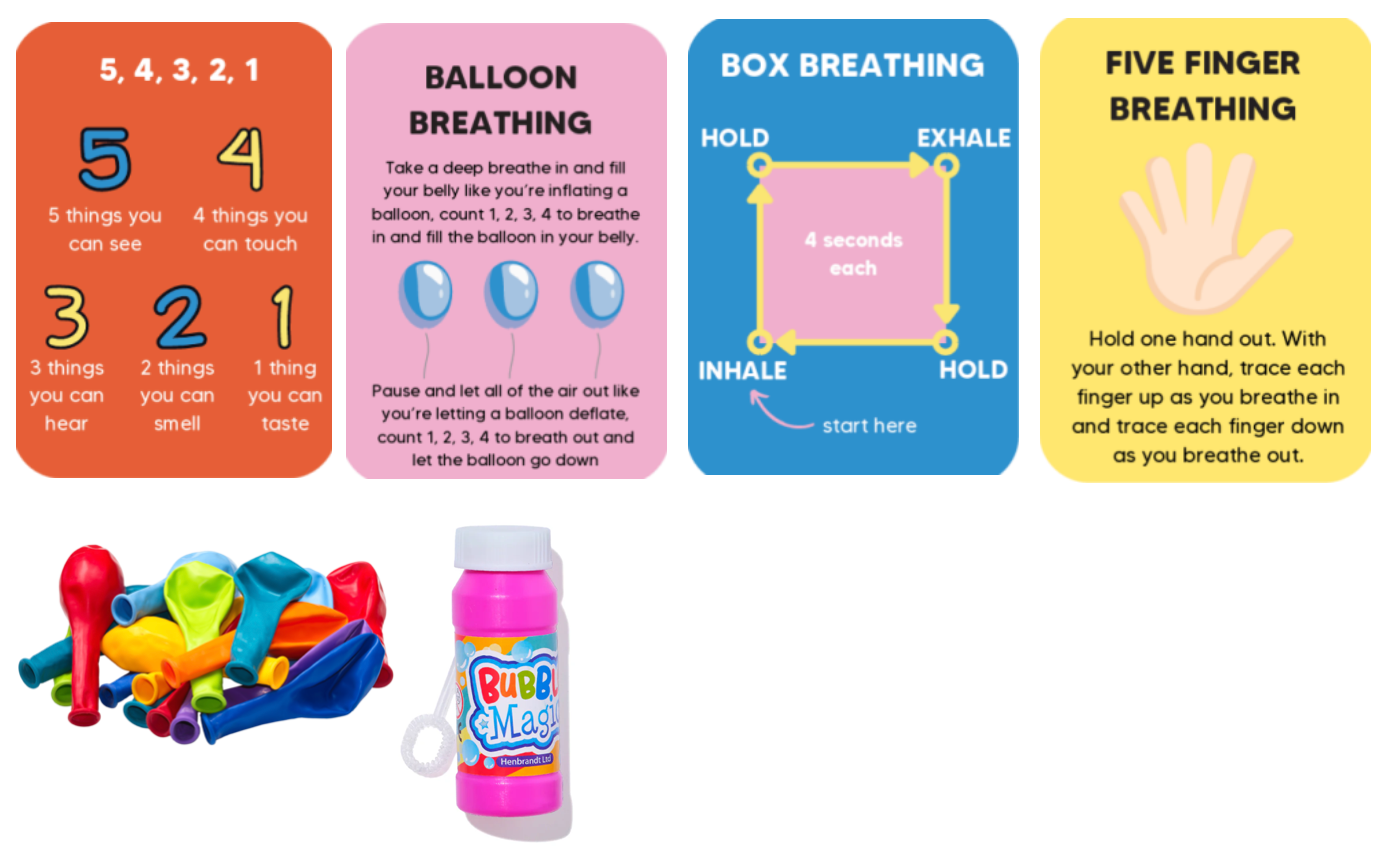
Blowing up a balloon slowly,
or blowing bubbles slowly,
can help to control your breathing and regulate.
What can parents/carers do to support?
- Support your child to talk about their emotions.
- Talk to them about what works for you to self regulate. E.G when stressed do you go for a run? Or read a book? Go to your room for 5 minutes alone time? Talk to a partner or a friend?
- Encourage your child to ensure their basic human needs are met. E.G. encourage them to eat and drink properly, to socialise, to sleep well without distractions such as technology.
- Encourage your child to find and explore self regulation strategies and tools which work for them. Remember, that some of the things they may do at home, won’t be possible in school or out in the community E.G. When dysregulated in school they can’t watch their favourite show, or play with their favourite toy as a distraction. Encourage them to find self regulation strategies which they can use ANYWHERE.
- Remind them that ALL
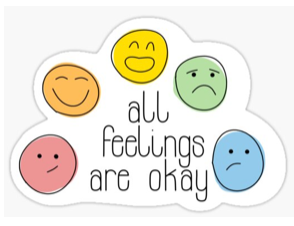 feelings (including those in the red zone) are a natural part of the human experience. It’s okay to be angry, but it is NOT okay to hit. It is okay to be frustrated, but it is NOT okay to be verbally abusive.
- If you find your child is reluctant to talk about their feelings, try different methods:
- Use a family journal for them to write down their feelings. Some people find it much easier to write or type than to speak.
- Speaking when you’re doing something else, like playing a game, or colouring, can take the pressure away from the ‘talking’ and facilitate a more natural flow of conversation.
- Talking while going for a drive in the car can again be less pressure than sitting down with eye contact.
- Don’t deal with an upset child when you’re not calm: Adults need to regulate first before helping.
- If your child is angry, or in the red zone, it’s important to give them time to self-regulate before trying to discuss anything about their behaviour in great depth.
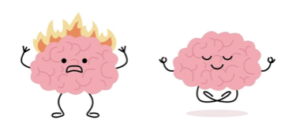 Remember, their thinking brain is disengaged, and their emotional brain has full control. Waiting for them to calm, can lead to a more productive and meaningful conversation.
 - Refer to the Zones of
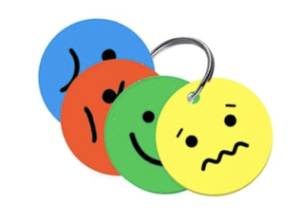 Regulation at home. Ask your child if they can identify which zone they’re in. Encourage them to use the strategies suggested.